DOL Extends Cybersecurity Mandate to Health Benefit Plans in 2026
Department of Labor requires comprehensive cybersecurity protocols for health benefit plans, with potential penalties for inadequate data protection measures affecting employee sensitive information.
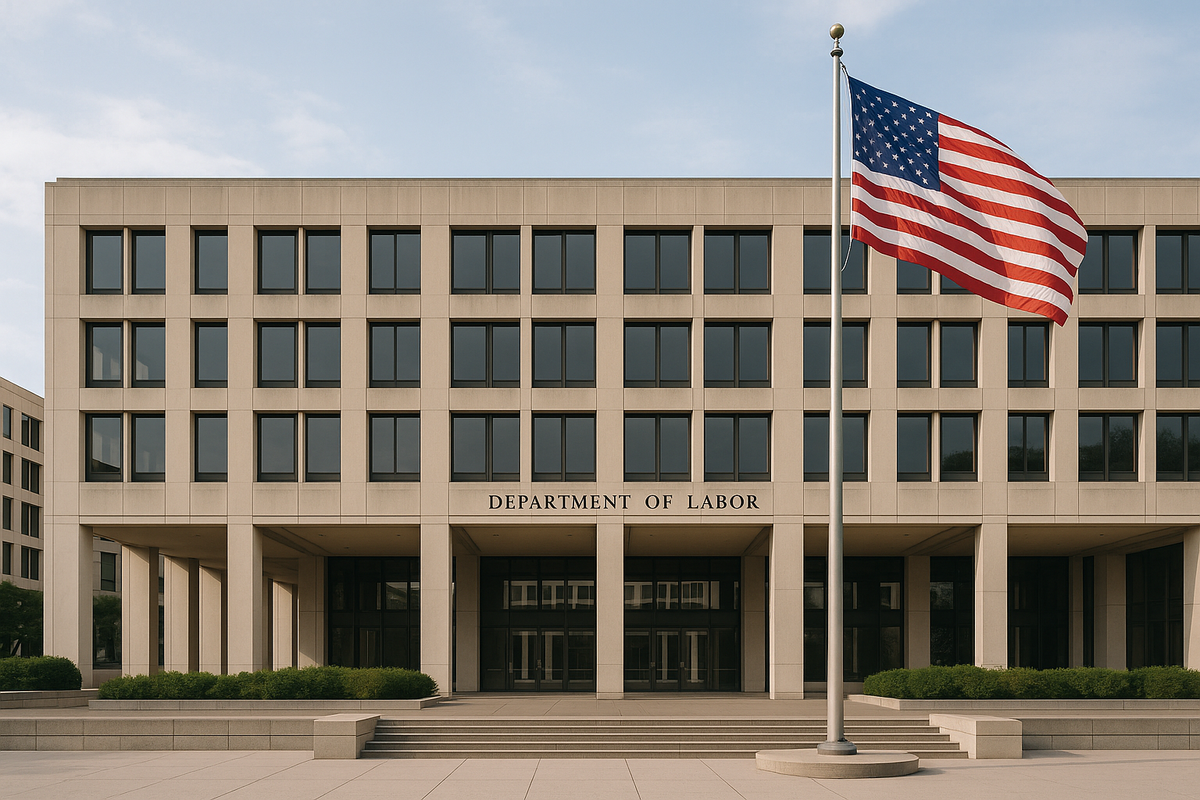
The Department of Labor has extended its cybersecurity mandate to all employee benefit plans in 2026, creating immediate compliance obligations for Long Island employers who manage health insurance, dental coverage, and other welfare benefits. Nassau and Suffolk County businesses now face substantial penalties for inadequate data protection measures affecting employee sensitive information, with the DOL's enforcement priorities focusing specifically on health benefit plan cybersecurity protocols.
Comprehensive Data Protection Requirements
The Department of Labor's expanded cybersecurity guidance now covers all employee benefit plans, not just retirement accounts. This means Long Island employers must implement comprehensive data protection protocols for health insurance enrollment systems, claims processing platforms, and employee benefits administration databases that contain sensitive personal and medical information.
The new requirements mandate specific cybersecurity measures including:
- Multi-factor authentication for all benefit plan access points
- Encrypted data transmission and storage for employee health information
- Regular security audits and vulnerability assessments
- Incident response procedures for data breaches affecting benefit plans
- Employee training on cybersecurity protocols and data handling
The DOL's HIPAA compliance guidance emphasizes that employers must treat employee health information with the same security standards applied to financial data, creating new technical and administrative requirements for Nassau and Suffolk County businesses.
These requirements apply immediately to all employers offering group health insurance, regardless of company size or industry. The DOL has made clear that cybersecurity compliance is not optional—it's a fiduciary responsibility that carries serious legal and financial consequences.
Financial Impact: Cyber Threats Cost More Than Compliance
Cybersecurity breaches affecting employee benefit plans can result in devastating financial losses that far exceed the cost of implementing proper protection measures. Long Island employers face potential liability for compromised employee health information, including identity theft damages, medical fraud losses, and regulatory penalties that can reach hundreds of thousands of dollars.
Consider the financial exposure from a typical health benefit plan breach:
- Average cost per compromised health record: $408
- Legal fees and regulatory response costs: $50,000-$200,000
- Employee notification and credit monitoring services: $25,000-$100,000
- DOL penalties for inadequate cybersecurity protocols: $500-$1,000 per day
- Potential lawsuits from affected employees: unlimited exposure
For a Nassau County employer with 100 employees, a single breach affecting health benefit data could result in costs exceeding $300,000, not including potential business disruption and reputation damage that affects employee recruitment and retention.
The DOL's 2026 enforcement priorities specifically target employers with inadequate cybersecurity measures, making proactive compliance essential for financial protection.
HIPAA Integration: Overlapping Compliance Requirements
The Department of Labor's cybersecurity mandate creates overlapping requirements with HIPAA privacy and security rules, adding complexity for Long Island employers who must navigate both federal frameworks simultaneously. Understanding how these regulations interact is crucial for avoiding compliance gaps that could trigger penalties under either law.
While HIPAA primarily applies to healthcare providers and insurance companies, employers become subject to certain HIPAA requirements when they self-insure health benefits or handle employee health information directly. The DOL's cybersecurity requirements extend these protections to all employee benefit plans, regardless of HIPAA coverage status.
Key areas where DOL and HIPAA requirements overlap include:
- Encryption standards for electronic health information transmission
- Access controls limiting who can view employee health data
- Audit trails tracking all access to sensitive benefit information
- Business associate agreements with third-party service providers
- Breach notification procedures for compromised health information
The HIPAA applicability guidance for employers helps Nassau and Suffolk County businesses understand their specific obligations, but the complexity often requires professional compliance support to ensure comprehensive protection.
Employers who fail to address both DOL cybersecurity requirements and applicable HIPAA obligations face dual penalty exposure that can significantly impact business operations and financial stability.
Third-Party Vendor Management: Extended Liability
The Department of Labor's cybersecurity requirements extend to all third-party vendors who handle employee benefit plan data, creating new due diligence obligations for Long Island employers who work with insurance brokers, benefits administrators, and technology service providers.
Employers must now verify that their benefit plan vendors maintain adequate cybersecurity protocols, including:
- SOC 2 Type II security certifications for data handling procedures
- Comprehensive cyber insurance coverage for benefit plan data breaches
- Regular penetration testing and vulnerability assessments
- Employee background checks and security training programs
- Incident response procedures coordinated with employer requirements
Nassau and Suffolk County employers cannot simply rely on vendor assurances—they must conduct ongoing monitoring and verification to ensure continued compliance with DOL cybersecurity standards. This due diligence requirement creates additional administrative burden but provides essential protection against vendor-related security failures.
Professional COBRA, ACA reporting, and 5500 filing services help ensure that benefits administration vendors meet all DOL cybersecurity requirements while providing the documentation necessary to demonstrate compliance during investigations.
Implementation Timeline: Immediate Action Required
The Department of Labor's cybersecurity requirements are already in effect, meaning Long Island employers who have not implemented comprehensive data protection protocols are currently non-compliant and exposed to penalty assessments. The DOL has indicated that enforcement actions will begin immediately, with particular focus on employers who experience security incidents or data breaches.
Critical implementation steps include:
- Conducting comprehensive security assessments of all benefit plan systems
- Implementing multi-factor authentication for benefits administration access
- Establishing encrypted data transmission protocols with all vendors
- Creating incident response procedures specific to benefit plan breaches
- Training employees on cybersecurity protocols and data handling requirements
The technical complexity of implementing enterprise-level cybersecurity measures often exceeds the capabilities of small to medium-sized Long Island businesses. Professional cybersecurity consultation and ongoing monitoring services provide the expertise necessary to achieve compliance while maintaining cost-effective operations.
Employers who delay implementation face increasing penalty exposure and potential liability for security incidents that could have been prevented with proper protections.
Protecting Your Business: Cybersecurity as Business Insurance
Nassau and Suffolk County employers must view cybersecurity compliance as essential business insurance rather than optional technology enhancement. The Department of Labor's enforcement priorities make clear that adequate data protection is now a fundamental requirement for operating employee benefit plans.
The investment in comprehensive cybersecurity measures typically costs far less than the potential losses from a single security incident. For most Long Island employers, professional cybersecurity services cost between $2,000-$5,000 annually—a fraction of the potential liability from compromised employee health information.
Key protection strategies include:
- Working with qualified benefits administration providers who maintain SOC 2 compliance
- Implementing comprehensive cyber insurance coverage for benefit plan operations
- Establishing ongoing security monitoring and threat detection systems
- Creating employee training programs focused on data protection best practices
- Maintaining detailed documentation of all cybersecurity measures and procedures
Professional benefits administration support provides the cybersecurity expertise and compliance monitoring necessary to meet DOL requirements while protecting businesses from the substantial costs associated with security incidents and regulatory penalties.
Long Island employers who establish comprehensive cybersecurity protocols now will avoid the compliance gaps and potential liability that affect businesses attempting to manage these complex requirements without adequate systems and expertise. The Department of Labor's focus on cybersecurity compliance reflects the critical importance of protecting employee sensitive information in an increasingly digital benefits administration environment.
Comprehensive ERISA compliance and fiduciary responsibility services include cybersecurity compliance monitoring and support, ensuring that all aspects of employee benefit plan management meet current Department of Labor standards while protecting businesses from the financial and legal risks associated with inadequate data protection measures.
Compliance Note: Benefit plan rules and tax implications vary based on company size and location. This summary is for informational purposes only. Please contact your Benton Oakfield representative to review how these changes impact your specific plan documents.