DOL Shifts From Litigation to Guidance for Small Business
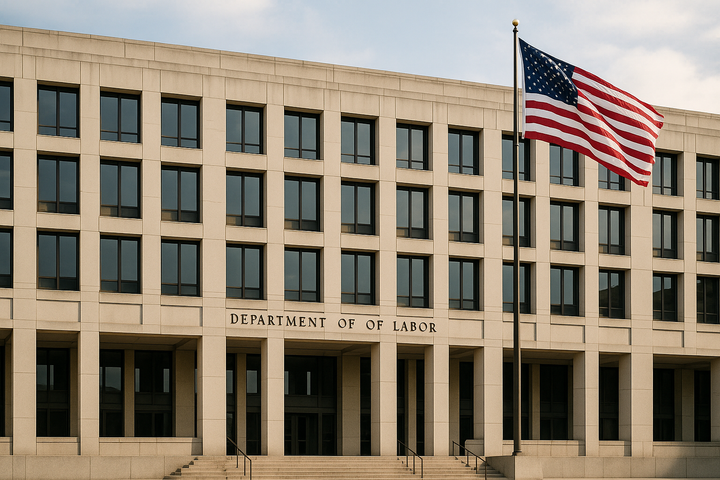
The Department of Labor is moving away from lengthy enforcement battles toward providing compliance assistance through amicus briefs and guidance. This employer-friendly shift could reduce litigation risks for Long Island businesses with benefits plans.

The Department of Labor is changing how it handles employee benefits compliance, moving away from prolonged litigation toward providing more guidance and support for employers. Deputy Secretary Keith Sonderling recently announced the department's commitment to counter "regulation by litigation" through increased amicus briefs, sub-regulatory guidance, and compliance assistance.
This represents a significant shift in enforcement strategy that could benefit Long Island employers who sponsor health, welfare, or retirement plans under DOL oversight.
What's Changing at the DOL
Instead of lengthy enforcement actions that can drag on for years, the DOL is prioritizing employer-friendly positions in legal filings and offering more proactive guidance. The department has already filed amicus briefs supporting employers in recent cases, signaling a more collaborative approach to compliance.
The timing is significant. A 180-day period from an August 7 executive order ends in early February 2026, suggesting employers can expect more guidance and clarity soon. This shift prioritizes assistance over litigation to help employers avoid fines and penalties.
Impact on Long Island Small Businesses
For Nassau and Suffolk County employers with 10-50 employees, this change could mean fewer surprise audits and more opportunities to correct compliance issues before they become expensive problems. Medical practices, dental offices, accounting firms, and other professional service businesses that sponsor employee benefits plans stand to benefit from this more supportive approach.
The new strategy particularly helps with complex areas like ERISA compliance, where the DOL has already shown increased support for plan fiduciaries in recent legal cases.
Since this is purely federal DOL policy, New York employers must comply directly with federal requirements. However, the shift could ease enforcement pressure on welfare plans that interact with New York Paid Family Leave, potentially reducing dual litigation risk for small businesses managing both federal and state compliance requirements.
Practical Steps for Employers
While this enforcement shift is positive news, employers shouldn't wait for problems to arise. Here's what Long Island businesses should do now:
- Review your current plan documents and ensure they meet ERISA requirements
- Monitor upcoming DOL amicus briefs for compliance trends that might affect your plans
- Take advantage of free sub-regulatory guidance tools as they become available
- Update policies proactively rather than waiting for enforcement actions
The key is staying ahead of compliance requirements rather than reacting to them. Employers who maintain proper documentation and follow established procedures will be best positioned to benefit from the DOL's more supportive approach.
For businesses managing multiple compliance requirements, working with experienced professionals who understand both federal and New York state regulations becomes even more valuable. Proper plan administration includes staying current with DOL guidance and ensuring your ERISA obligations are met before issues arise.
Looking Ahead
This shift toward guidance over litigation reflects a broader recognition that most compliance issues stem from confusion rather than intentional violations. Small businesses often struggle with complex regulations simply because they lack resources for full-time benefits specialists.
The DOL's new approach should make it easier for employers to get answers before making costly mistakes. However, compliance requirements haven't disappeared – they're just being enforced more constructively.
Long Island employers should view this as an opportunity to strengthen their benefits administration practices while the regulatory environment is more forgiving. Those who take proactive steps now will be better prepared for whatever changes lie ahead.
Contact Benton Oakfield to discuss how these DOL changes might affect your specific benefits plans and compliance requirements.
Compliance Note: Benefit plan rules and tax implications vary based on company size and location. This summary is for informational purposes only. Please contact your Benton Oakfield representative to review how these changes impact your specific plan documents.
Photo by fauxels on Pexels