Federal Enforcement Targets Benefits Cybersecurity
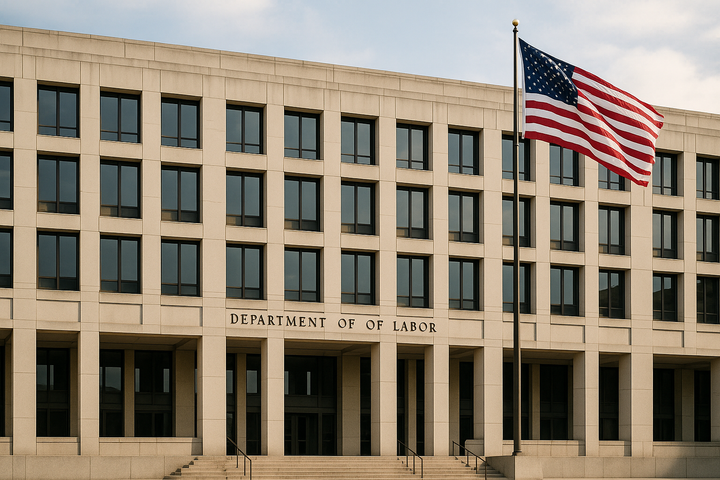
The Department of Labor shifted its 2026 enforcement priorities to target cybersecurity vulnerabilities, mental health access barriers, and surprise billing in employer benefits plans.

The Department of Labor's Employee Benefits Security Administration just overhauled its 2026 national enforcement priorities, and cybersecurity vulnerabilities in your benefits plans are now squarely in their crosshairs. According to the DOL's January 15 announcement, employers who haven't secured their retirement and health plan data could face federal investigations.
This enforcement shift represents a significant change from previous years. While the DOL previously focused heavily on missing 401(k) participants and ESOP transactions, those priorities have been de-emphasized. Instead, federal investigators will concentrate on cybersecurity breaches, barriers to mental health benefits, and protecting benefit distributions from fraud.
What This Means for Your Bottom Line
Federal investigations are expensive and disruptive. When the DOL targets a business for enforcement action, you're looking at legal fees, potential penalties, and months of document production that pulls your attention away from running your company. The new cybersecurity focus means any data breach involving employee health information or retirement account data could trigger a federal investigation.
The mental health parity enforcement is equally concerning. If your health plan makes it harder for employees to access mental health care compared to medical care—different copays, separate deductibles, or more restrictive networks—you could face penalties. The DOL specifically cited "barriers to mental health and substance use disorder benefits" as a top priority.
Criminal Investigations on the Rise
Perhaps most concerning is the DOL's increased focus on criminal abuse of contributory plans like 401(k)s. This isn't just about paperwork violations—federal investigators are looking for actual theft of employee contributions or misuse of plan assets. Nassau and Suffolk County employers using multiple employee welfare arrangements (MEWAs) or working with third-party administrators should be particularly careful about oversight and documentation.
The enforcement shift affects all Long Island businesses offering retirement or health benefits, regardless of size. When Benton Oakfield conducts ERISA compliance reviews, we specifically audit for these vulnerabilities before they become federal enforcement issues.
Three Immediate Action Items
First, audit your cybersecurity measures immediately. This includes how your payroll company, health insurer, and 401(k) provider protect employee data. Any vendor with access to health information or retirement account data needs robust security protocols.
Second, review your mental health benefits for parity compliance. Your health plan's mental health coverage must be equivalent to medical coverage in terms of copays, deductibles, and provider networks. This is particularly important for Long Island employers, where mental health provider shortages already create access challenges.
Third, strengthen oversight of anyone handling employee contributions or plan assets. This includes documenting all transactions, requiring dual approval for fund movements, and conducting regular audits of plan accounts.
Why Professional Guidance Matters More Now
The DOL's enforcement priorities changed because they're seeing more sophisticated fraud and cybersecurity threats targeting employee benefits. Small businesses often lack the resources to identify these vulnerabilities before they become federal cases.
Working with experienced benefits professionals who understand ERISA requirements isn't just about compliance—it's about avoiding the disruption and expense of federal investigations. When the DOL comes knocking, having proper documentation and compliance procedures already in place is the difference between a routine inquiry and a prolonged investigation.
Benton Oakfield's ERISA compliance services include the cybersecurity audits and mental health parity reviews that are now DOL enforcement priorities. We help Long Island employers stay ahead of regulatory changes rather than reacting to them after problems arise.
Compliance Note: Benefit plan rules and tax implications vary based on company size and location. This summary is for informational purposes only. Please contact your Benton Oakfield representative to review how these changes impact your specific plan documents.
Photo by weCare Media on Pexels