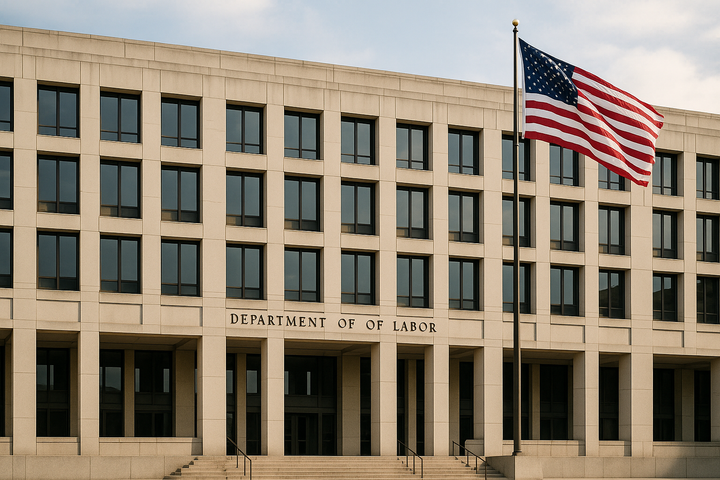
Federal Retirement Savings Limits Rise - New Tax Rules
Federal employees can now contribute $24,500 to retirement plans in 2026, but high earners face new Roth requirements that could affect your tax strategy. Private sector employers should review their own 401(k) limits.

The federal government just raised retirement contribution limits for its own employees - and the changes reveal important trends that could affect your business's 401(k) plan costs and employee expectations.
What Changed for Federal Employees
Federal workers can now contribute up to $24,500 to their Thrift Savings Plan (TSP) in 2026, an increase of $1,000 from last year. Catch-up contributions for employees over 50 rose to $8,000, allowing total contributions of $32,500 annually.
More importantly, federal employees who earned over $150,000 in Social Security wages last year must now direct all catch-up contributions to the Roth version of their plan - meaning they pay taxes upfront instead of deferring them.
Why Private Employers Should Pay Attention
These federal changes often preview what's coming for private sector 401(k) plans. The IRS typically announces similar limit increases for traditional 401(k) plans, and the Roth catch-up requirement already applies to private employers.
If you're offering a 401(k) plan, your high-earning employees may face the same Roth mandate. That means they'll see smaller paychecks now as they pay taxes upfront on retirement contributions - potentially affecting their satisfaction with your benefits package.
The rising contribution limits also create pressure. When federal employees can save $24,500 annually, your employees may expect similar opportunities. If your plan has lower limits or poor investment options, you're competing at a disadvantage for talent.
The Real Cost of Falling Behind
Retirement benefits directly affect recruitment and retention, especially for professional service firms competing with government agencies and large corporations. Nassau and Suffolk County businesses regularly compete with federal contractors and state agencies that offer robust retirement benefits.
Employees who can't maximize their retirement savings at your company may leave for opportunities that offer better 401(k) plans with higher match rates and more investment options. The cost of replacing a $60,000 employee typically runs $15,000 to $30,000 when you factor in recruiting, training, and lost productivity.
What This Means for Your Business
First, verify your 401(k) plan's contribution limits match the federal maximums. Many plans haven't updated their documents, potentially limiting your employees' savings opportunities.
Second, review your matching contribution. If you're only matching 3% when competitors offer 4-6%, you're losing talent to save relatively small amounts. A 1% additional match for a $50,000 employee costs you $500 annually - far less than replacing that person.
Third, consider your high earners' tax situation. The Roth catch-up requirement affects employees over 50 who earned more than $150,000 last year. They may need guidance on how this impacts their take-home pay and tax planning.
Don't Let Retirement Benefits Become a Recruiting Weakness
Small businesses can't always match large employers' salaries, but competitive retirement benefits help level the playing field. When your 401(k) plan lags behind federal employee benefits or larger competitors, you're fighting recruitment battles with one hand tied behind your back.
Benton Oakfield helps Long Island employers review their retirement plans annually to ensure contribution limits, match rates, and investment options remain competitive. We identify gaps that could cost you talent and recommend specific improvements that fit your budget.
The federal government just showed its hand on retirement benefits. Make sure your plan keeps pace, or risk losing your best people to employers who do.
Compliance Note: Benefit plan rules and tax implications vary based on company size and location. This summary is for informational purposes only. Please contact your Benton Oakfield representative to review how these changes impact your specific plan documents.
Photo by Kampus Production on Pexels