How a 1947 Labor Law Created America's Health Insurance Web
The Taft-Hartley Act didn't just reshape union power—it accidentally created a healthcare system that covers millions of American workers today through multi-employer plans.
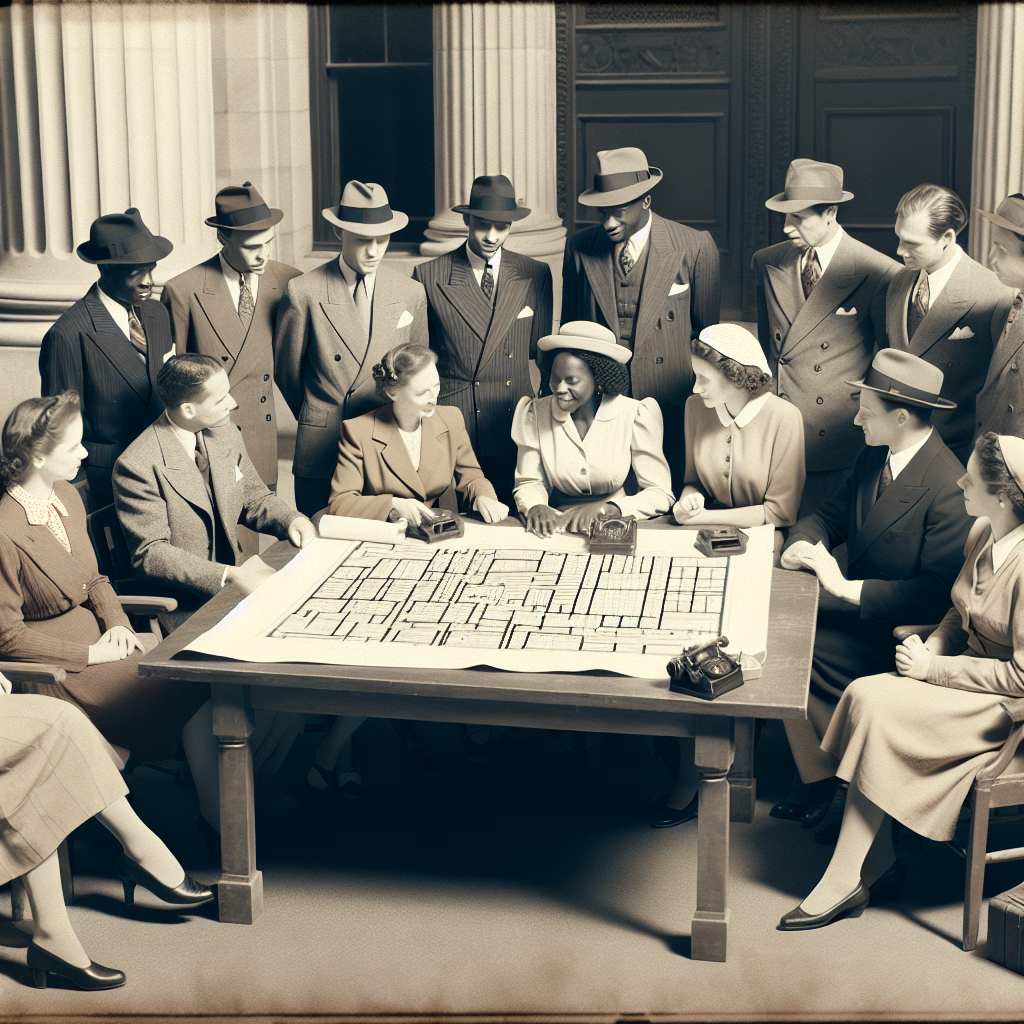
Picture this: It's June 1947, and Congress has just overridden President Harry Truman's veto to pass the Labor Management Relations Act—better known as the Taft-Hartley Act. The headlines scream about union-busting and labor restrictions. What they don't mention is that buried in this controversial legislation is a provision that would quietly revolutionize how millions of Americans get their health insurance.
The Taft-Hartley Act is remembered primarily for curtailing union power after the massive strike waves of 1945 and 1946. But Section 302 of the act contained something unexpected: explicit authorization for jointly administered trust funds between unions and employers. This seemingly minor provision would become the foundation for what we now call Taft-Hartley plans—multi-employer benefit arrangements that today provide health, welfare, and pension benefits to millions of workers across industries.
The Unintended Healthcare Revolution
The irony is delicious. A law designed to weaken organized labor inadvertently created one of the most durable and innovative structures in American employee benefits. Before 1947, joint union-employer benefit funds existed in a legal gray area. Employers worried about violating anti-bribery laws, and unions faced uncertainty about their fiduciary responsibilities.
The Taft-Hartley Act changed everything by establishing clear rules: these funds had to be jointly administered by equal numbers of union and employer trustees, with specific governance requirements and fiduciary standards. What emerged was something uniquely American—a hybrid model that was neither purely private nor government-run, but a collaborative effort between labor and management.
The timing couldn't have been better. Post-war America was experiencing unprecedented economic growth, and workers were demanding more than just wages. The wartime wage freeze had already pushed employers toward fringe benefits as a way to attract workers. Now, with Taft-Hartley's legal framework in place, entire industries could pool their resources to provide benefits that individual employers might not afford on their own.
Building the Multi-Employer Model
The genius of these plans lay in their portability—a concept that was revolutionary in 1947. A construction worker could move from one contractor to another, or a truck driver could switch companies, and their health insurance and pension credits would follow them. This was particularly valuable in industries characterized by short-term employment relationships or seasonal work.
The construction industry was among the first to embrace this model. Building trades unions had long struggled with the transient nature of their work—a carpenter might work for a dozen different contractors in a single year. Traditional employer-sponsored benefits simply didn't work in this environment. But a multi-employer plan funded by contributions from every contractor in the region? That was a game-changer.
Trucking followed suit, then mining, entertainment, and dozens of other industries. Each plan was tailored to its industry's unique characteristics, but all shared the same basic structure: employer contributions based on hours worked or wages paid, joint governance by union and employer trustees, and benefits that traveled with workers throughout their careers.
The Governance Innovation
What made these plans truly distinctive was their governance model. Equal representation meant that neither labor nor management could dominate decision-making. Every major decision required consensus—from benefit design to investment strategy to administrative oversight. This forced collaboration often led to more thoughtful, long-term planning than might occur in traditional employer-sponsored plans.
The trustee structure also created a new class of labor leaders and employer representatives who became experts in employee benefits. These weren't just negotiators hammering out contract terms; they were fiduciaries responsible for managing billions of dollars in assets and making decisions that would affect workers' lives for decades.
From 1947 to Today's Multi-Billion Dollar System
Fast-forward to today, and the system that emerged from that 1947 legislation is still going strong. Recent surveys show that Taft-Hartley plan decision-makers continue to prioritize delivering pension benefits without raising employer contributions, demonstrating the ongoing tension between cost pressures and benefit security that has characterized these plans since their inception. The joint administration model persists, with union and employer trustees still working together to navigate complex benefit and investment decisions.
What started as a legal clarification in a controversial labor law has evolved into a multi-billion dollar system covering millions of American workers. These plans have weathered economic downturns, regulatory changes, and shifts in the labor movement while maintaining their essential character: collaborative governance, portable benefits, and industry-wide risk pooling.
The next time you hear about multi-employer pension crises or read about Taft-Hartley plan reforms, remember that you're witnessing the latest chapter in a story that began in 1947. What Congress thought it was doing was restricting union power. What it actually did was create one of the most enduring innovations in American employee benefits—a system that has provided health insurance and retirement security to generations of workers while demonstrating that labor and management can successfully collaborate when properly motivated.
Sometimes the most significant historical changes happen not in the headlines, but in the fine print.