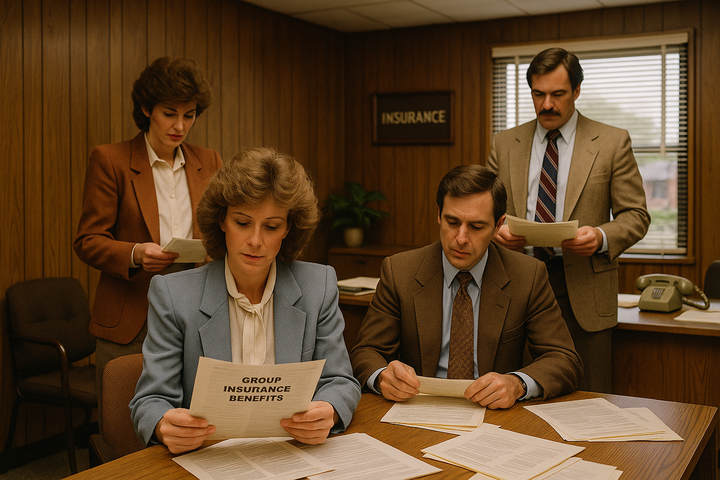
How World War II Created the Modern Employee Benefits System
During World War II, wage freezes forced employers to get creative: health insurance became a key tool for attracting and retaining talented workers.
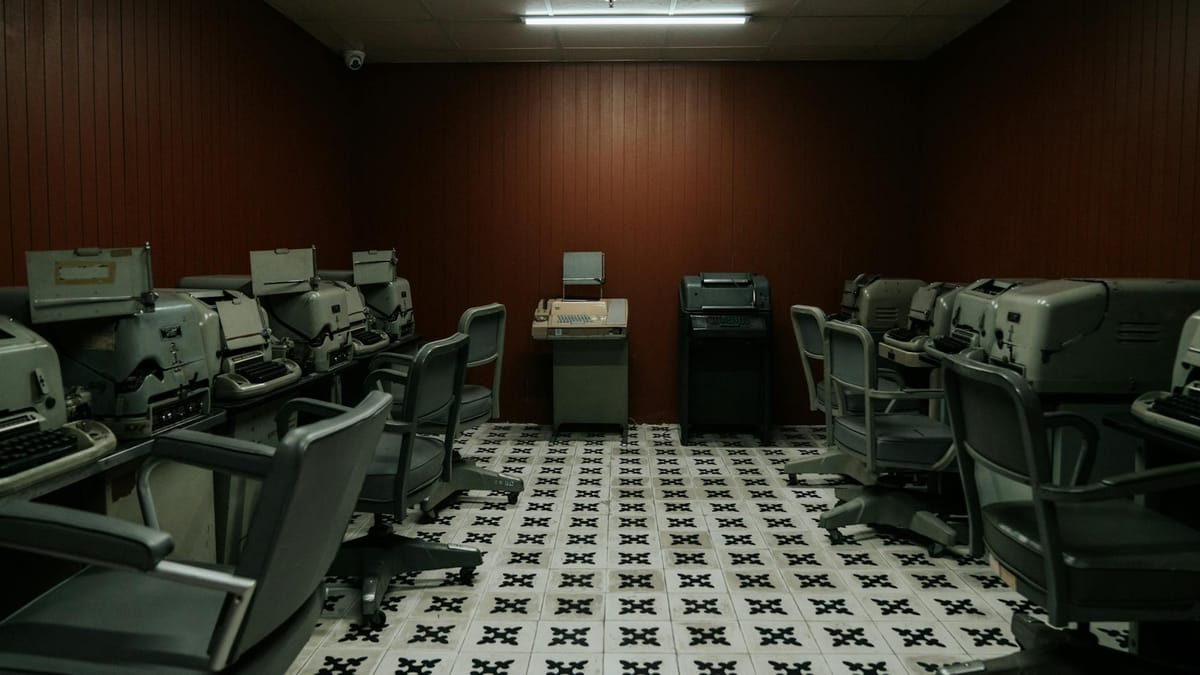
Picture this: It's 1942, and America has just entered World War II. Factory floors across the nation are humming with unprecedented activity as manufacturers race to produce everything from aircraft engines to ammunition. On Long Island, companies like Grumman Aircraft Engineering Corporation are desperately seeking skilled workers to meet wartime production demands. But there's a problem—the federal government has just frozen wages and salaries across the entire economy.
What happened next would fundamentally reshape how Americans receive healthcare for generations to come. Faced with rigid wage controls but fierce competition for talent, employers discovered an unexpected loophole that would accidentally create the foundation of our modern employee benefits system.
The Great Wage Freeze of 1942
In October 1942, Congress passed the Stabilization Act, effectively freezing wages and salaries at their September levels. The goal was simple: prevent runaway inflation during wartime by controlling labor costs. The War Labor Board was tasked with enforcing these controls, ensuring that employers couldn't simply bid up wages to attract workers away from competitors.
But wartime production demands were relentless. Aircraft manufacturers, shipbuilders, and munitions factories needed skilled machinists, engineers, and technicians—and they needed them fast. With traditional salary increases off the table, creative employers began exploring alternative ways to attract and retain talent.
The breakthrough came when the War Labor Board made a crucial distinction: while cash wages were frozen, fringe benefits like health insurance were not considered part of regular compensation. This seemingly minor regulatory detail would have profound consequences for American healthcare.
The Birth of Employer-Sponsored Health Insurance
Before the war, health insurance was largely an individual responsibility. Most Americans either paid out-of-pocket for medical care or went without. Group health insurance existed but was relatively uncommon, covering only about 12 million Americans by 1940.
The wage freeze changed everything. Employers suddenly discovered they could offer health insurance as a tax-free benefit without violating federal wage controls. What started as a wartime workaround quickly became a powerful recruitment tool.
Companies began advertising comprehensive health coverage alongside job opportunities. Factory bulletin boards that once simply posted "Help Wanted" signs now boasted about medical benefits, hospitalization coverage, and even dental care. For workers facing an uncertain wartime economy, these benefits represented genuine security for their families.
Long Island's Wartime Transformation
The impact was particularly pronounced across Nassau and Suffolk Counties, where defense contractors were rapidly expanding their operations. Grumman Aircraft, based in Bethpage, was producing thousands of F6F Hellcat fighters for the Navy. Republic Aviation in Farmingdale was manufacturing P-47 Thunderbolt fighters. These companies needed skilled workers immediately—and health benefits became their secret weapon.
Local newspapers from the era tell the story: job advertisements increasingly emphasized comprehensive medical coverage alongside competitive working conditions. What had once been a luxury became a standard expectation, fundamentally altering the relationship between employers and employees.
By 1945, the transformation was remarkable. Roughly 32% of American workers had employer-sponsored health coverage—nearly triple the pre-war figure. What began as a temporary workaround had become a permanent feature of American employment.
The Post-War Solidification
When the war ended and wage controls were lifted, many expected employer-sponsored health insurance to fade away. Instead, the opposite happened. Labor unions, having seen the value of health benefits during the war, began negotiating aggressively to maintain and expand coverage. The 1949 Supreme Court case Inland Steel Co. v. NLRB confirmed that health benefits were a legitimate subject for collective bargaining, further cementing their role in American employment.
The post-war economic boom on Long Island—driven by suburban development and continued aerospace manufacturing—solidified the employer-sponsored model. Companies that had used health benefits to attract wartime workers found they needed them to retain peacetime employees as well.
Modern Relevance for Today's Employers
For Long Island employers today, this history offers crucial insights into navigating competitive labor markets. Just as World War II-era companies used creative benefit packages to attract talent within regulatory constraints, modern businesses face similar challenges with minimum wage laws, overtime regulations, and fierce competition for skilled workers.
The wartime experience demonstrates that external economic pressures often drive innovation in compensation strategies. Today's tight labor market across Nassau and Suffolk Counties mirrors the wartime shortage of skilled workers—and the solution remains remarkably similar: comprehensive benefits packages that go beyond base salary.
Consider how modern employers might apply these historical lessons:
- Regulatory constraints spark creativity: Just as wage freezes led to health insurance innovation, today's complex compliance requirements can inspire new approaches to employee compensation
- Benefits become competitive advantages: What started as a wartime necessity became a permanent expectation—today's "nice-to-have" benefits often become tomorrow's standard offerings
- Economic disruption creates opportunity: Companies that adapt quickly to changing circumstances often establish lasting competitive advantages
Lessons for Today's Business Leaders
The accidental creation of employer-sponsored health insurance teaches us that some of the most significant business innovations emerge from unexpected constraints. The companies that thrived during and after World War II weren't necessarily those with the biggest budgets—they were the ones that found creative solutions within existing limitations.
For today's Long Island employers, this history suggests that periods of economic uncertainty and regulatory complexity aren't just challenges to endure—they're opportunities to innovate. The businesses that will dominate tomorrow's market are those finding creative ways to attract and retain talent today, even within current constraints.
Whether you're navigating healthcare reform, adapting to new labor laws, or competing for scarce skilled workers, remember that temporary solutions often become permanent advantages. The key is recognizing opportunity within constraint and acting decisively when regulatory or economic conditions create new possibilities.
Ready to explore how creative benefit strategies can give your Long Island business a competitive edge? Contact Benton Oakfield today to discuss how historical insights can inform your modern HR strategy and help you build a benefits package that attracts top talent in today's competitive market.
This article is for informational purposes only and does not constitute legal or tax advice. Consult with qualified professionals for guidance specific to your situation.
Photo by Nguyên Đoàn on Pexels