NYSIF Disability Benefits Rate Decreases 28% for 2026
NYSIF reduced Disability Benefits premiums 28% effective January 1, 2026—from $24.75 to $17.68 per employee. Nassau and Suffolk County employers using NYSIF gain immediate budget relief while maintaining mandatory off-job disability protection under New York law.
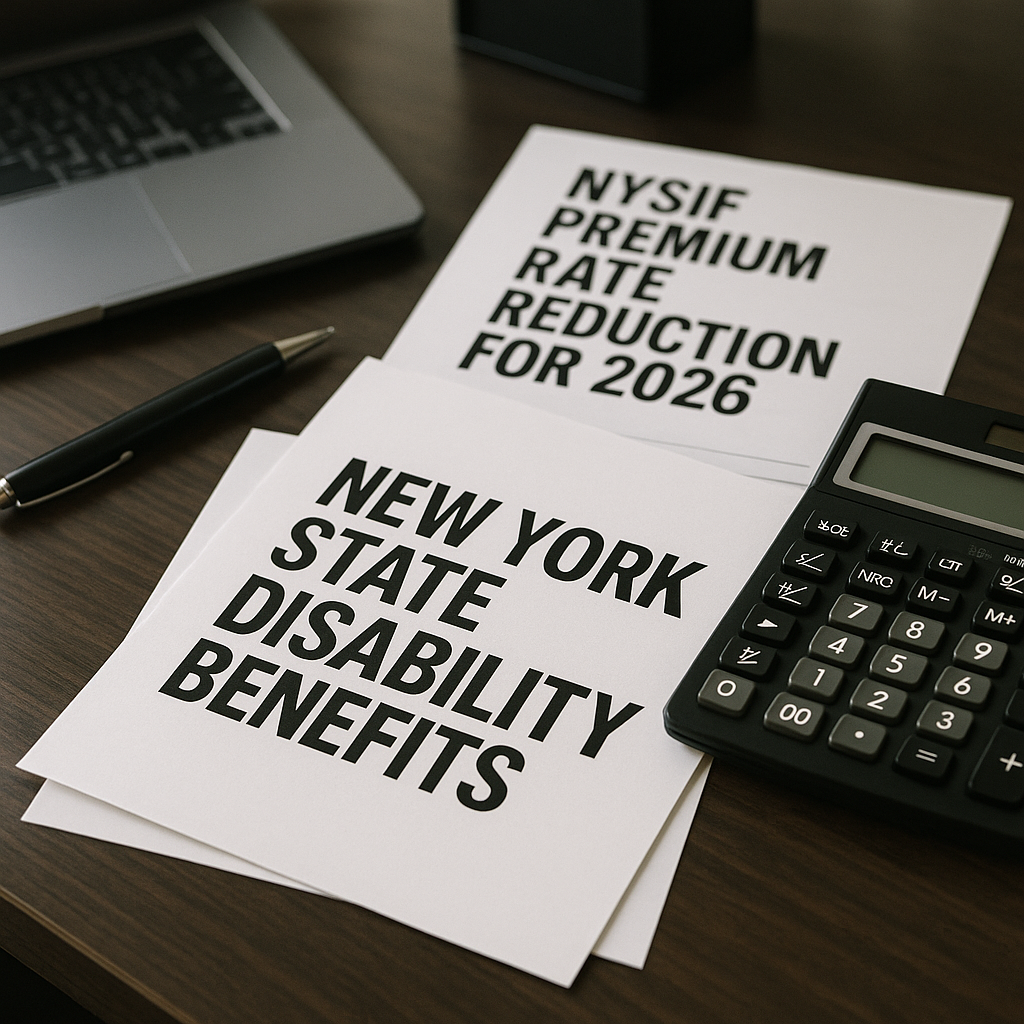
NYSIF reduced its standard Disability Benefits premium rate by 28% effective January 1, 2026, lowering annual costs from $24.75 to $17.68 per employee. This represents $7.07 in immediate annual savings per employee for Nassau and Suffolk County employers currently using NYSIF for their mandatory Disability Benefits coverage, providing significant budget relief during a period of rising labor costs and regulatory compliance expenses.
Immediate Cost Savings for NYSIF Policyholders
The rate reduction applies automatically to all existing NYSIF Disability Benefits policyholders and to new policies effective January 1, 2026. According to NYSIF's official announcement, this 28% decrease represents a "benchmark low rate in New York State" and reflects the nonprofit insurer's mission to provide affordable coverage to New York employers.
For Long Island businesses managing multiple mandatory benefit cost increases—including the $17 minimum wage, increased Paid Family Leave contributions of 0.432%, and various compliance requirements—this rate decrease provides quantifiable budget relief. A Nassau County manufacturing company with 50 employees saves $353.50 annually on Disability Benefits premiums, while a Suffolk County retail operation with 25 employees saves $176.75 per year.
The savings compound for larger employers. A professional services firm with 100 employees realizes $707 in annual premium savings, funds that can be redirected toward voluntary benefit enhancements, operational improvements, or other strategic priorities. These reductions appear automatically in 2026 premium billing without requiring any action from current NYSIF policyholders.
For employers managing comprehensive New York compliance requirements, understanding how this rate decrease fits within your broader benefits cost structure helps optimize budget allocation while maintaining mandatory coverage obligations.
New York's Mandatory Disability Benefits Framework
New York's Disability Benefits Law requires all private employers to provide coverage for off-the-job injuries and illnesses through approved insurance carriers or self-insurance arrangements. This mandatory program covers conditions not related to work—pregnancy complications, surgery recovery, serious illness, or accidents occurring outside the workplace—providing cash benefits equal to 50% of average weekly wages.
The distinction between Disability Benefits and workers' compensation is critical for compliance. While workers' compensation addresses job-related injuries and illnesses, DB specifically covers non-work-related conditions. Employees contribute up to $0.60 per week or 0.5% of wages (whichever is less) toward premium costs, though employers typically bear the majority of the expense.
NYSIF serves as both the state's largest workers' compensation carrier and a major provider of Disability Benefits coverage. As a nonprofit state fund, NYSIF focuses on providing affordable coverage to employers who may face challenges obtaining coverage in the private market, including small businesses, high-risk industries, and companies with limited claims experience.
The Globe Newswire report on NYSIF's rate reduction emphasizes that this decrease demonstrates the fund's ability to maintain competitive pricing while ensuring adequate reserves for claims payments and administrative expenses.
Strategic Implications for Rate Shopping
The 28% NYSIF rate reduction may prompt employers currently using private carriers to evaluate their Disability Benefits costs and consider switching to NYSIF coverage. This competitive pressure could influence private carrier pricing in the New York market, potentially benefiting all employers regardless of their current carrier.
Employers should verify their current Disability Benefits carrier and premium rates to determine if NYSIF's new pricing represents a cost-saving opportunity. The $17.68 per employee annual rate applies to NYSIF's standard coverage, though actual rates may vary based on employer size, industry classification, and claims experience.
The timing of this rate decrease coincides with annual benefits renewal periods for many Long Island businesses. Employers reviewing their mandatory benefits costs for 2026 should include Disability Benefits carrier evaluation alongside their health insurance, workers' compensation, and other coverage assessments.
However, carrier selection involves more than just premium costs. Employers should evaluate claims processing efficiency, customer service quality, and administrative support when comparing NYSIF to private carriers. The rate decrease makes NYSIF more attractive financially, but operational considerations remain important for overall program effectiveness.
Integration with Other New York Benefit Requirements
Disability Benefits operates alongside but separately from New York's Paid Family Leave program, which increased employee contributions to 0.432% in 2026 with an annual maximum of $411.91. While these programs often share the same insurance carrier, they maintain distinct premium structures, eligibility requirements, and benefit provisions.
The combined duration of Disability Benefits and Paid Family Leave cannot exceed 26 weeks in any 52-week period, requiring coordination when employees need both types of coverage. For example, an employee recovering from surgery might use Disability Benefits for the initial recovery period, then transition to Paid Family Leave to care for a family member's related needs.
For businesses managing comprehensive benefits administration and regulatory compliance, understanding how DB rate changes affect your overall benefits budget helps maintain cost control while ensuring full compliance with New York's mandatory benefit requirements.
The rate decrease also affects budget planning for employers managing multiple cost pressures. While Disability Benefits premiums declined, other mandatory costs increased in 2026, including minimum wage rates and Paid Family Leave contributions. The DB savings help offset these increases but don't eliminate the overall upward pressure on employment costs.
Compliance Verification and Action Steps
Current NYSIF Disability Benefits policyholders should verify that their 2026 premium billing reflects the new $17.68 per employee rate. Contact NYSIF directly or review your premium statements to confirm the rate reduction has been applied correctly. Any discrepancies should be addressed immediately to ensure proper billing.
Employers using private carriers for Disability Benefits coverage should request rate comparisons with NYSIF's new pricing to evaluate potential cost savings. This analysis should consider not only premium costs but also service quality, claims processing efficiency, and administrative requirements.
All New York employers must maintain active Disability Benefits coverage without lapses. Whether using NYSIF or private carriers, verify that your coverage remains in good standing and meets state requirements. Post the required workplace notices, collect appropriate employee contributions through payroll, and maintain documentation of your coverage.
Budget planning for 2026 should incorporate the NYSIF rate decrease if you're a current policyholder, or potential savings if you're considering switching carriers. Communicate these cost reductions to ownership and stakeholders as positive developments in managing mandatory benefits expenses.
Long Island Market Considerations
Nassau and Suffolk County employers across various industries commonly use NYSIF for Disability Benefits coverage. Construction companies, manufacturing facilities, retail operations, and hospitality businesses often find NYSIF's rates and service model well-suited to their needs, particularly smaller businesses that may face higher rates with private carriers.
Professional services firms—law offices, accounting practices, medical offices—may benefit from evaluating NYSIF's competitive pricing even if they've traditionally used private carriers. The 28% rate reduction makes NYSIF particularly attractive for businesses seeking to control mandatory benefits costs while maintaining compliance.
The timing provides an opportunity for comprehensive benefits review. Employers approaching renewal dates for health insurance, workers' compensation, and other coverage should include Disability Benefits evaluation in their broader assessment of carrier relationships and cost optimization opportunities.
Long Island employers managing multiple locations or complex workforce structures should ensure their Disability Benefits coverage properly addresses all employees working in New York State. The mandatory nature of this coverage means compliance gaps create significant liability exposure beyond just premium costs.
For Nassau and Suffolk County businesses seeking to optimize their mandatory benefits costs while maintaining full compliance, Benton Oakfield provides comprehensive guidance on carrier selection, rate evaluation, and ongoing compliance management. Our team helps Long Island employers navigate New York's complex benefits requirements while identifying cost-saving opportunities like the NYSIF rate reduction.
This content is for informational purposes only and does not constitute legal, tax, or benefits advice. Requirements vary based on employer size, location, and plan structure. Information is current as of 2026-02-13. Employers should consult qualified advisors for guidance on their specific circumstances.