The Great Healthcare Cost Experiment of the 1980s
How American employers pioneered creative cost-sharing strategies that transformed workplace benefits forever, setting the stage for today's healthcare landscape.
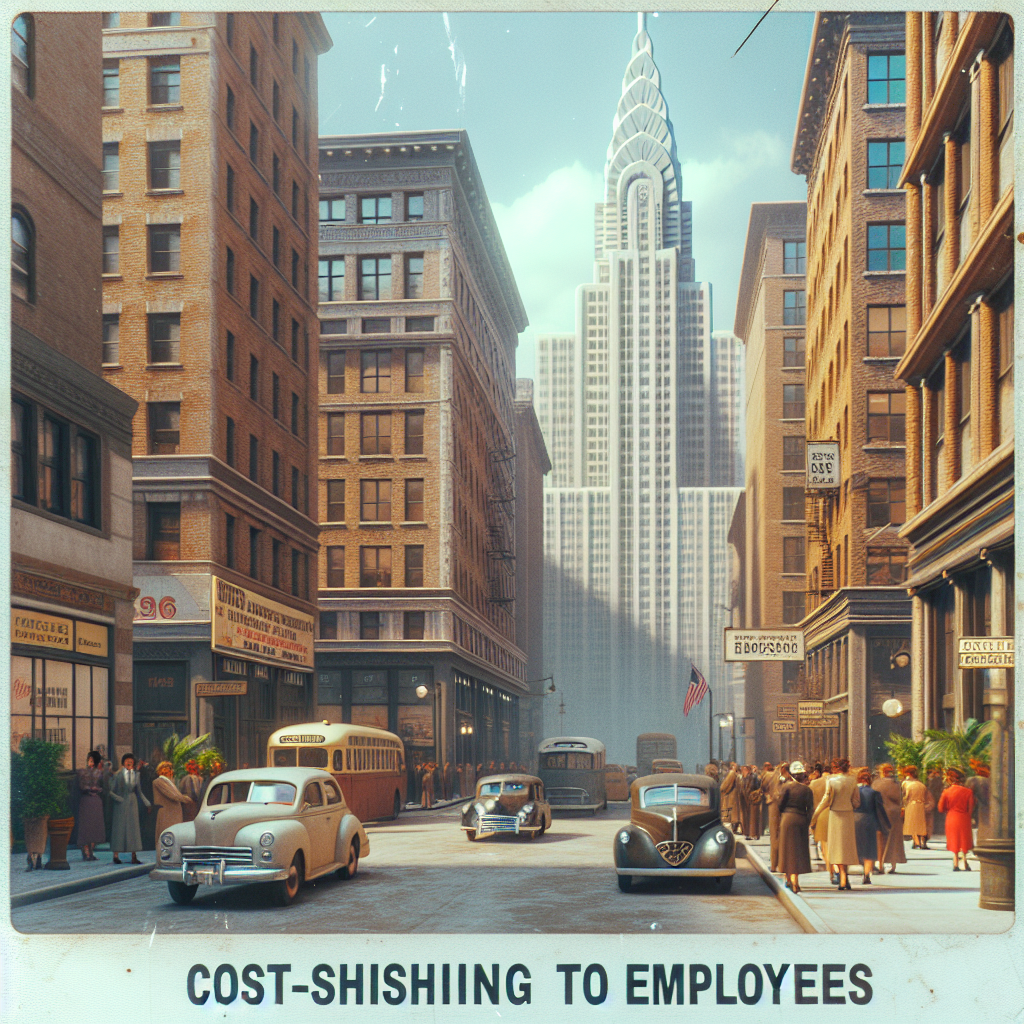
Picture this: It's 1983, and a benefits manager at a Fortune 500 company is staring at healthcare premium increases that would make today's executives wince. Double-digit inflation wasn't just hitting gas pumps and grocery stores—it was absolutely crushing employee benefit budgets. What happened next would fundamentally reshape how Americans pay for healthcare, creating innovations we still live with today.
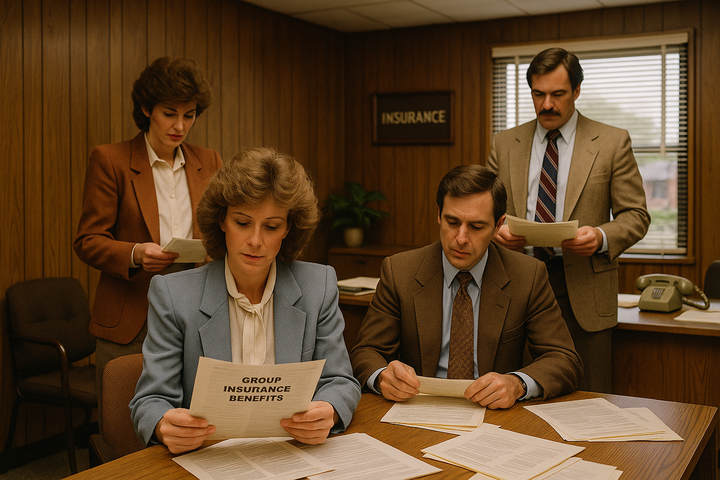
The 1980s marked a pivotal moment when American employers became healthcare pioneers out of pure necessity. After decades of offering comprehensive, low-cost health coverage as a competitive advantage, companies found themselves caught between skyrocketing medical costs and the need to remain profitable. The creative solutions they developed didn't just solve an immediate crisis—they launched a healthcare revolution.
When Healthcare Costs Went Haywire
The numbers from the early 1980s tell a dramatic story. Healthcare costs were rising at nearly twice the rate of general inflation, with some employers seeing annual premium increases of 15-20%. For context, a company that spent $2,000 per employee on health benefits in 1980 might be looking at $2,400 or more just two years later—without any improvement in coverage.
Traditional employer-sponsored health insurance had been relatively straightforward since the post-World War II era: companies paid most or all of the premium, employees got comprehensive coverage, and everyone was reasonably happy. But this comfortable arrangement was becoming financially unsustainable faster than anyone had anticipated.
The breakthrough moment came when forward-thinking benefits professionals realized they could maintain quality healthcare coverage while introducing innovative cost-sharing mechanisms. Rather than simply cutting benefits or dropping coverage entirely, they pioneered a more nuanced approach that would distribute costs more strategically.
The Birth of Creative Cost Sharing
The mid-1980s witnessed an explosion of inventive benefit design strategies. Employers began experimenting with higher deductibles, introducing the then-novel concept of coinsurance, and creating tiered premium structures that gave employees more choices—and more financial responsibility.
One particularly clever innovation was the introduction of employee contribution requirements for premium costs. Instead of the traditional model where employers absorbed the entire premium, companies began asking employees to contribute a percentage. This wasn't just cost-cutting—it was strategic cost awareness. When employees had financial skin in the game, they became more conscious healthcare consumers.
The cafeteria plan concept, formalized through Section 125 of the tax code, gave employers another powerful tool. Employees could now choose from multiple benefit options, selecting the coverage level that best matched their needs and budget. This flexibility was revolutionary—suddenly, a young single employee wasn't paying the same amount as a colleague with a family of five.
The HMO Revolution and Consumer Choice
Perhaps no innovation was more transformative than the rapid expansion of Health Maintenance Organizations during this period. HMOs offered employers a way to provide comprehensive coverage while controlling costs through managed care principles. The trade-off—more limited provider networks in exchange for lower premiums—became an acceptable compromise for many companies and employees.
Employers discovered they could offer multiple plan options, creating a marketplace within their benefits program. Employees might choose between a traditional indemnity plan with higher premiums and lower out-of-pocket costs, or an HMO with lower premiums but more restrictions. This choice-driven model put employees in the driver's seat while helping employers manage their financial exposure.
The wellness movement also gained momentum during this era, as employers realized that preventing health problems was more cost-effective than treating them. Companies began offering health screenings, fitness programs, and smoking cessation initiatives—early examples of the preventive care focus that would become standard decades later.
Unintended Consequences and Happy Accidents
One of the most interesting developments was how cost-shifting actually improved healthcare literacy among American workers. When employees began paying attention to medical costs for the first time, they started asking better questions about treatment options, generic medications, and preventive care. This increased engagement had positive ripple effects throughout the healthcare system.
The introduction of flexible spending accounts (FSAs) created another win-win scenario. Employees could use pre-tax dollars to pay for out-of-pocket medical expenses, effectively reducing their cost burden while giving employers a tool to make higher-deductible plans more palatable.
The Long Arc of Innovation
Looking back from today's vantage point, the cost-sharing strategies pioneered in the 1980s laid the groundwork for virtually every modern healthcare benefit innovation. The Health Savings Account concept that emerged in the 2000s? It built directly on FSA frameworks developed forty years earlier. Today's emphasis on consumer-directed healthcare plans? That traces back to the choice-based models that emerged during the Reagan era.
Even current trends reflect this historical pattern. Recent research shows that 51% of large employers are likely to raise deductibles or out-of-pocket maximums in 2026, demonstrating how the cost-sharing principles developed in the 1980s continue to evolve and adapt to new economic pressures.
The 1980s taught us that healthcare cost challenges could spark remarkable innovation. What began as a financial crisis became an opportunity to create more flexible, choice-driven benefit systems that better served both employers and employees. Those pioneering benefits managers probably never imagined their creative solutions would still be shaping American healthcare decades later—but that's exactly what happened.