The Prescription Drug Coverage Revolution of the 1960s
How the 1960s transformed prescription drug coverage from a luxury benefit to an essential part of American healthcare, setting the stage for today's Medicare battles.
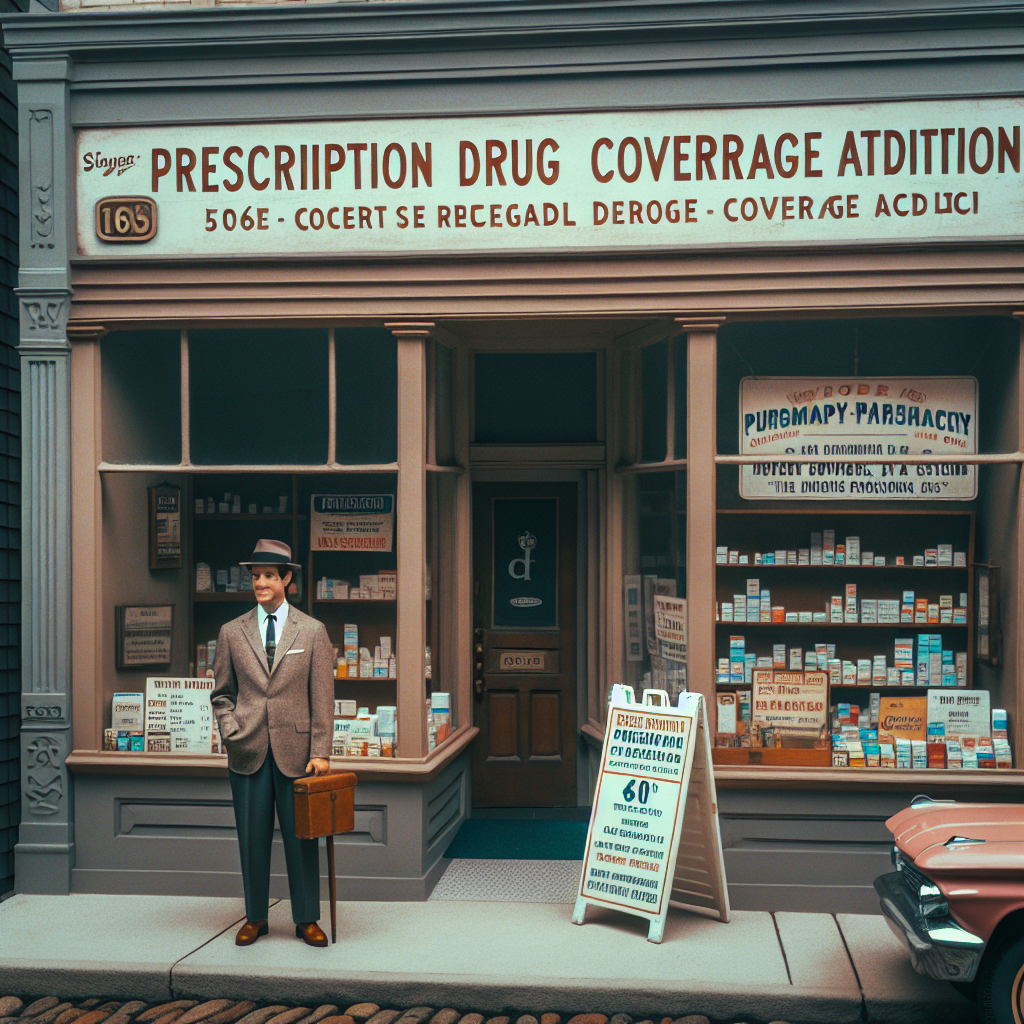
Picture this: It's 1965, and your grandmother clutches a prescription slip at the local pharmacy counter, calculating whether she can afford both her heart medication and groceries this month. For most Americans, prescription drugs were an out-of-pocket expense that could devastate a family budget. But something remarkable was about to change all that.
The 1960s didn't just give us the Beatles and moon landings—it quietly revolutionized how Americans access prescription medications through a series of groundbreaking policy innovations that we're still building on today.
The Great Medicare Debate of 1965
When President Lyndon Johnson signed Medicare into law on July 30, 1965, the nation celebrated a historic breakthrough in healthcare access for seniors. But here's what most people don't realize: the original Medicare program deliberately excluded prescription drug coverage. This wasn't an oversight—it was a calculated political compromise.
The architects of Medicare faced fierce opposition from the American Medical Association and pharmaceutical industry. To get the program passed, they focused on hospital and physician services, leaving prescription drugs for 'Phase Two.' It was a strategic decision that seemed reasonable at the time, when the average American spent just $37 annually on prescription medications.
What nobody anticipated was how quickly that would change.
The Medicaid Innovation
While Medicare made headlines, its quieter companion program, Medicaid, included something revolutionary: prescription drug coverage from day one. This wasn't accidental—it was a pioneering approach to comprehensive care for low-income Americans.
Medicaid's inclusion of prescription benefits created an interesting laboratory for understanding drug coverage. States could experiment with different approaches: some covered all FDA-approved medications, others created formularies, and a few required prior authorization for expensive drugs. These early innovations would later influence private insurance and eventually find their way back to Medicare decades later.
The Employer Benefits Breakthrough
Meanwhile, something fascinating was happening in corporate America. Forward-thinking employers began recognizing that prescription drug coverage wasn't just a nice perk—it was a smart business investment. Companies like IBM and General Electric started adding prescription benefits to their employee health plans in the mid-1960s, reasoning that healthier employees meant lower absenteeism and higher productivity.
This employer-driven innovation created a two-tiered system that persists today: working Americans with comprehensive drug coverage, and everyone else navigating a patchwork of limited options. But it also established the template for modern prescription benefits management, including concepts like co-payments, formularies, and preferred drug lists.
The Pharmaceutical Renaissance
The timing couldn't have been better. The 1960s marked the beginning of modern pharmaceutical innovation, with breakthrough medications for conditions that had previously been untreatable. The birth control pill, approved in 1960, became the first prescription medication that healthy people took daily for prevention rather than treatment—a concept that would transform healthcare economics.
Antidepressants, blood pressure medications, and cholesterol-lowering drugs were all emerging from research laboratories, creating new possibilities for managing chronic conditions. As these medications proved their value, the absence of drug coverage in Medicare became increasingly problematic.
State-Level Creativity
Some states didn't wait for federal action. New York launched an innovative prescription assistance program for seniors in 1967, using state funds to subsidize medications for elderly residents who fell into the coverage gap. California followed with its own creative approach, negotiating bulk purchasing agreements with pharmaceutical companies to reduce costs for state programs.
These state innovations served as testing grounds for ideas that would eventually influence national policy, proving that prescription drug coverage was both feasible and beneficial for population health.
The Insurance Industry Response
Private insurers initially approached prescription drug coverage cautiously. The challenge was unprecedented: how do you predict and manage costs for a benefit that could range from $0 to thousands of dollars per person annually?
The solution came through innovative risk-sharing arrangements. Insurance companies partnered with pharmacy chains to create networks, negotiated discounts with drug manufacturers, and developed the first pharmacy benefit management systems. These 1960s innovations laid the groundwork for today's complex but effective prescription drug distribution system.
From Then to Now
Looking back, the 1960s prescription drug coverage revolution seems almost inevitable, but it required genuine policy creativity and business innovation. The decision to exclude drugs from original Medicare led to decades of incremental solutions: employer benefits, state programs, and eventually Medicare Part D in 2006.
Today's Medicare Prescription Payment Plan, which allows seniors to spread drug costs over monthly payments, represents the latest chapter in this ongoing story. The $2,100 annual cap coming in 2026 finally addresses the coverage gap that began in 1965, proving that sometimes the most important policy innovations take decades to fully realize.
The 1960s taught us that prescription drug coverage isn't just about pills—it's about reimagining healthcare as a comprehensive system where prevention and treatment work together. That lesson continues to shape American healthcare policy today, one prescription at a time.